

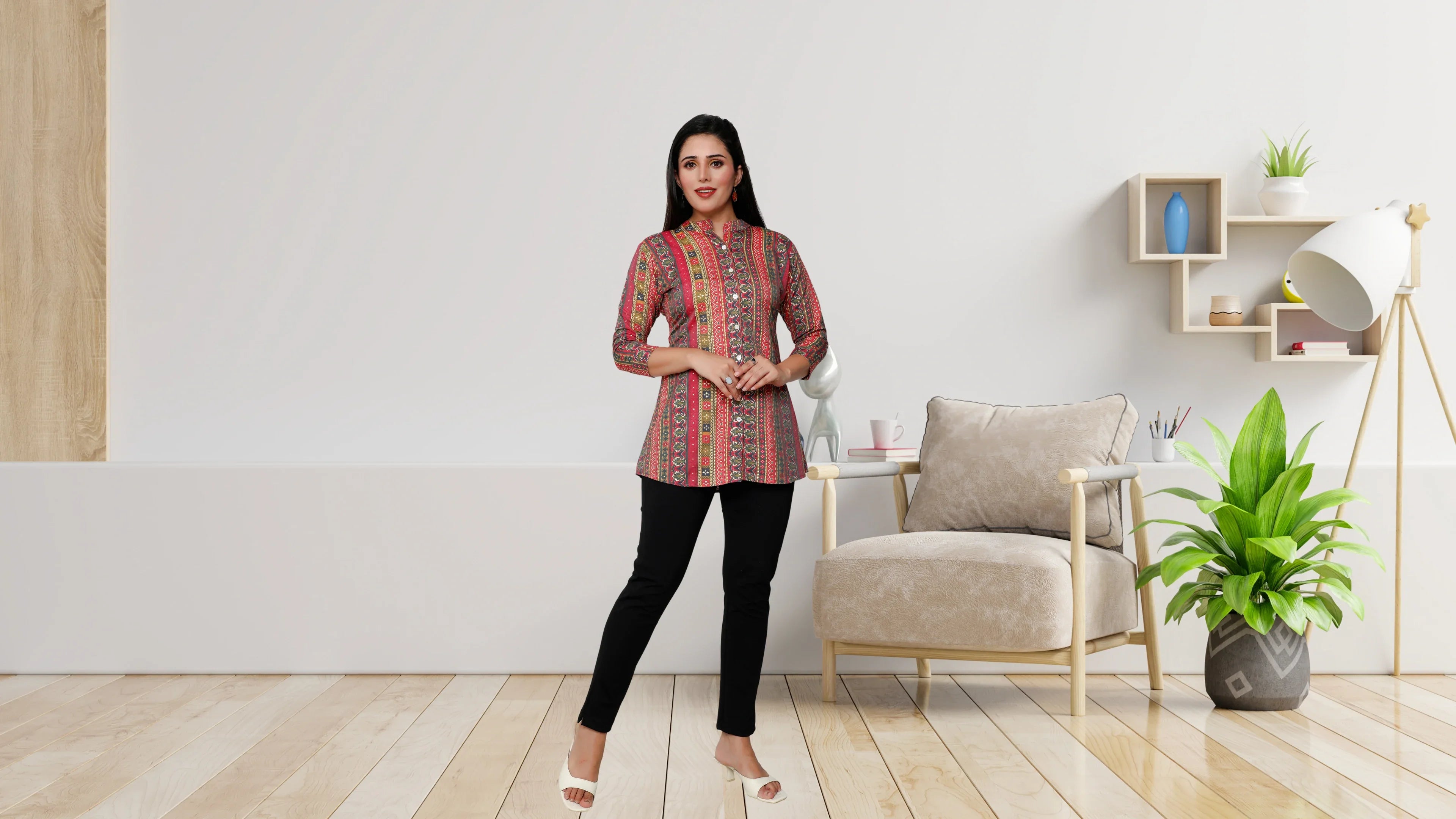



Search interest in Kurtis vs tunics has jumped by more than 35% in two years. North American shoppers want clarity on these two popular garments. Both look similar at first glance, yet key differences set them apart. Kurtis trace their roots to traditional Indian clothing with a rich cultural history. Tunics carry a more Western, minimalist design language. Knowing the difference helps you dress right for any event or gathering. Diwali parties call for a kurti, while a tunic fits perfectly for casual Fridays. Styling options vary widely for each piece. This article breaks down their differences and shows how to style each one.
Key Takeaways
-
Kurtis have Indian roots with detailed embroidery and vibrant prints.
-
Tunics follow Western cuts and suit minimalist, casual styling.
-
Both garments work for festivals, offices, and everyday outings.
-
Fabric choice and occasion decide which one to pick.
6 Key Differences Between a Kurti and a Tunic
1. Origin and Cultural Roots
Kurtis come from South Asian fashion traditions dating back centuries. They carry deep cultural meaning for festivals and ceremonies. In fact, Indian ethnic wear contributes over $50 billion to the global fashion market. Tunics trace their history to ancient Greek and Roman clothing. Today, Western brands sell tunics as relaxed, everyday tops. Pick a kurti from an authentic Indian collection for true ethnic style.
2. Design Details and Embellishments
Kurtis often features embroidery, mirror work, block prints, or zari borders. These details reflect India's rich textile heritage. As a result, Kurtis stand out at Diwali parties and wedding events. Tunics keep things simple with solid tones or minimal patterns. They rarely carry heavy handwork or traditional motifs. Industry data shows ethnic embroidered wear growing in demand across North America. Choose Kurtis for occasions that call for detail and character.
3. Length and Silhouette Differences
Most kurtis fall below the knee or reach ankle length. They offer full coverage and a traditional silhouette. Tunics tend to sit at hip length or just above the knee. This shorter cut pairs well with jeans for casual outings. The longer kurti silhouette suits festive events like Navratri or Eid. Many fusion styles now blur this line. Still, length remains the easiest way to tell them apart.
4. Fabric Choices That Set Them Apart
Kurtis use fabrics like cotton, silk, georgette, and chanderi. These materials suit warm climates and formal events. Nearly 60% of ethnic wear buyers prefer cotton kurtis for daily use. Tunics lean toward linen, jersey knit, and polyester blends. These fabrics fit the Western preference for easy-care clothing. For summer brunches, a breezy cotton kurti works just as well. Match the fabric to the season and the event.
5. How to Style a Kurti for Any Occasion
Pair a long kurti with churidars or palazzos for a classic Indian look. Add a matching shawl or dupatta for sangeet or mehendi events. Gold jewelry and juttis complete the ethnic outfit perfectly. For a modern twist, wear a straight-cut kurti over slim jeans. This fusion style trends strongly across North America. Kurtis also layers well with kaftans for relaxed holiday gatherings.
6. How to Style a Tunic for Everyday Wear
Tunics shine as easy, go-to pieces for busy weekdays. Pair a solid tunic with skinny jeans and ankle boots for a polished look. Add a belt at the waist to create shape and definition. For weekends, wear a tunic with leggings and sneakers. The minimalist trend keeps tunics popular among North American women. On top of that, tunics make great travel wear. Keep accessories simple to match the clean aesthetic.
The Bottom Line
Kurtis and tunics serve different style needs despite their similar shapes. Kurtis brings rich Indian heritage, detailed embroidery, and festive energy to your wardrobe. Tunics offer Western simplicity and everyday comfort for casual settings. The right choice depends on the occasion and the look you want. For Diwali, Eid, or weddings, a kurti wins every time. For office wear or weekend outings, a tunic works perfectly. Maple Clothing offers authentic Indian tunic tops and kurtis shipped across the US and Canada. Browse the full women's collection for more options. Orders over $75 ship free. Use code MAPLESALE for 15% off orders over $100.
Frequently Asked Questions
What is the main difference between a kurti and a tunic?
Kurtis originate from Indian fashion and feature embroidery, prints, and longer lengths. Tunics follow Western design with simpler cuts and shorter hemlines. Kurtis suits festive events, while tunics fit casual daily wear.
Can I wear a kurti as a tunic top?
Yes, shorter kurtis work well as tunic tops over jeans or leggings. Pick a straight-cut style in cotton or rayon. This fusion approach suits casual Fridays and weekend outings perfectly.
Which is better for Diwali, a kurti or a tunic?
A kurti suits Diwali celebrations far better than a tunic. Kurtis carry traditional Indian design details like embroidery and festive prints. Pair one with palazzos and gold accessories for the occasion.
Where can I buy authentic Indian kurtis online in the US?
Maple Clothing ships authentic Indian kurtis across the US and Canada. Their collection features cotton, silk, and georgette options. Orders over $75 ship free with code MAPLESALE for 15% off.
How do I style a tunic for work?
Pair a solid-colored tunic with slim pants or tailored trousers. Add a structured belt and simple jewelry for polish. Stick to neutral tones for a clean, professional office look.
Are kurtis and tunics the same thing?
No, they differ in origin, design, and purpose. Kurtis come from Indian fashion with detailed handwork and longer cuts. Tunics follow Western minimalism with shorter lengths and simpler fabrics.